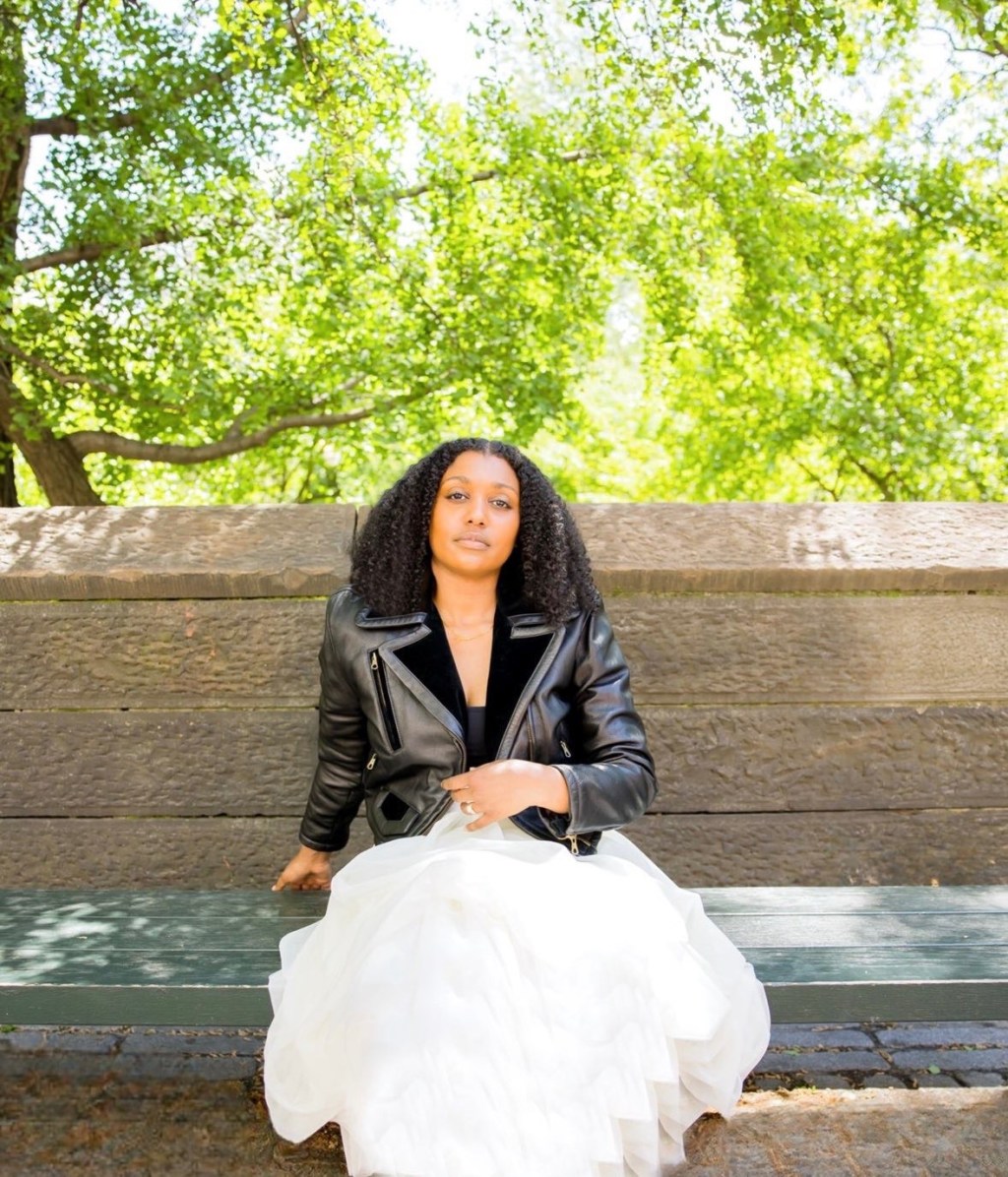
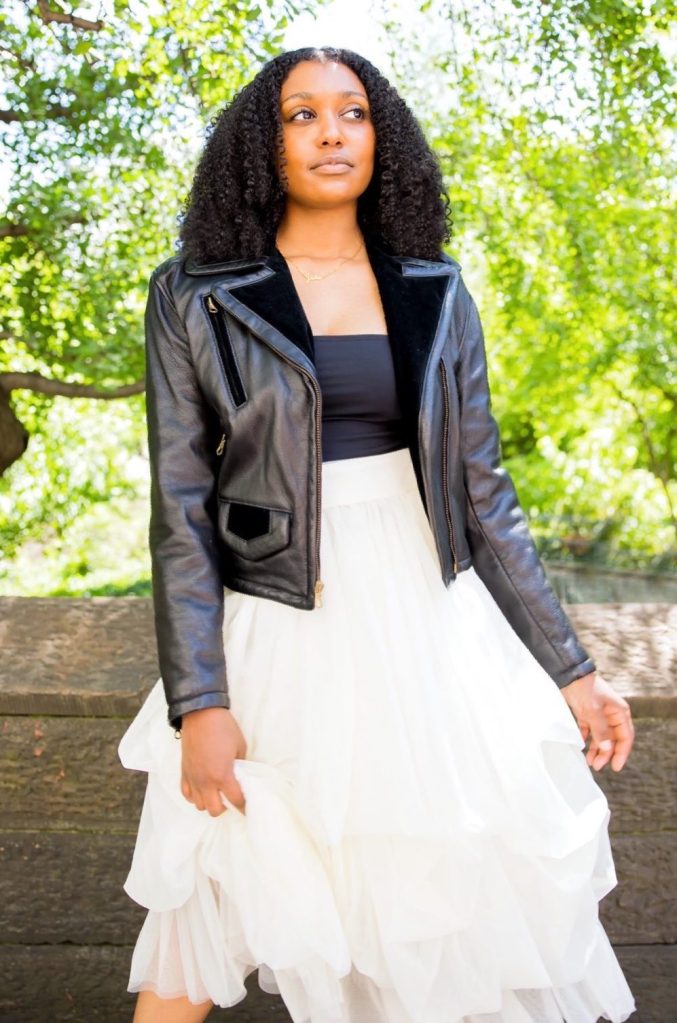
Collecting vintage luxury fashion carries a distinct sense of reverence. It’s not just shopping, it’s editing your future archive, it’s a quiet, deliberate curation. Shopping for vintage, especially at the high end, becomes less about the thrill of the find and more about shaping an archive of your own. A wardrobe that tells a story. One where every piece feels like it belongs, not just to you, but to the timeline of fashion itself. Whether I’m hunting for a 90’s Helmut Lang blazer or a near-mint Céline weekender, my process always begins the same way: with intention.
The process always begins before I even leave the house. Before anything else, I draw the lines and USE A BUDGET AS A BLUEPRINT. A budget isn’t about limitation, it’s about structure. I ask myself what I’m shopping for: is it a seasonless staple or a statement piece for an event? Am I looking to fill a gap or indulge a curiosity? Without a plan, it’s easy to fall for things that look good in the moment but gather dust later. Even with vintage, discipline is a kind of luxury. Setting a budget might sound like standard advice, but it’s more than financial planning, it’s setting the tone. Approaching vintage with a sense of purpose changes the experience entirely. It tempers the impulse to buy something just because it’s there, or because it’s beautiful. Intention, always, first.
Once I’m in the thick of it, whether at a curated vintage boutique, a market, or deep in the recesses of an online shop, I GRAVITATE TOWARD PIECES THAT HAVE A TRACEABLE PAST and tell their own history. One of my rules: if I can trace it, I can trust it. I gravitate toward garments that can be linked back to their original collection, season and year. These pieces often hold their value and their story. That kind of detail doesn’t just affirm authenticity, it gives context. Knowing a garment’s origin helps assess its true value and potential resale worth. If I’m unsure, I’ll pause to do a quick online search, find similar garments, compare prices, cross-reference details. This usually tells me all I need: what it’s worth, what collectors are paying, and whether the price in front of me makes sense. It’s a quiet form of due diligence, but it’s essential.
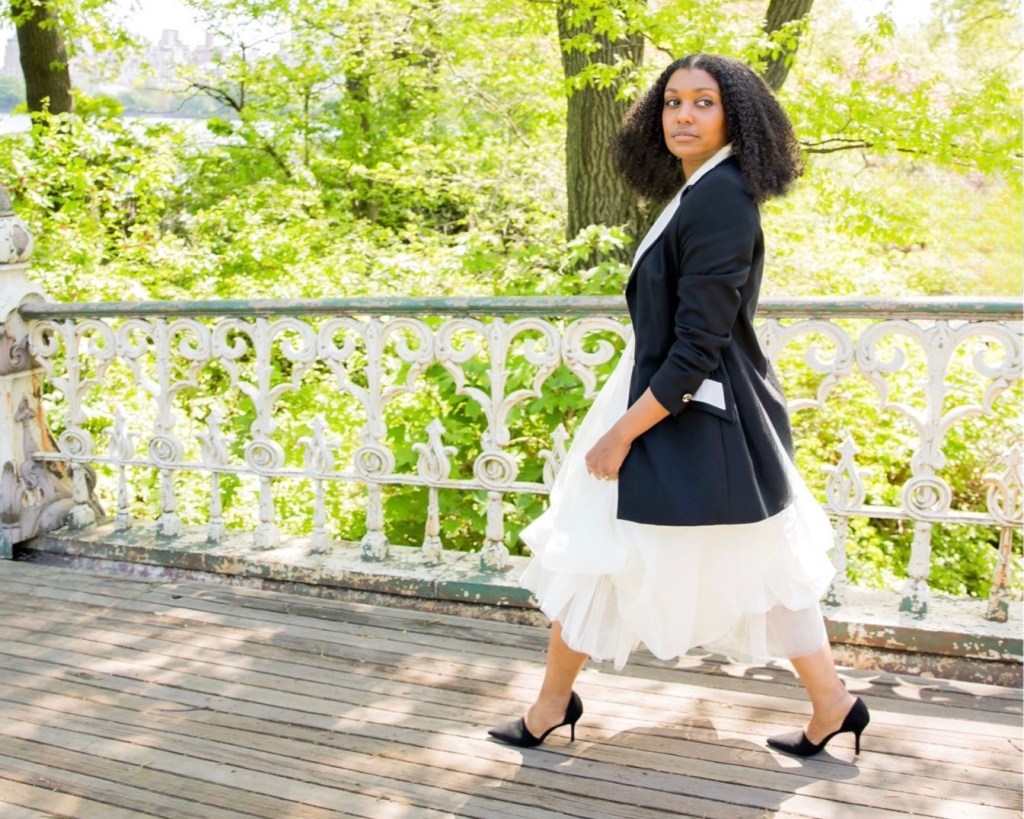
That sense of future-thinking continues as I evaluate each piece. For me, it’s not about buying clothing, it’s about editing a future-facing archive. I try to ARCHITECT A WARDROBE where every new addition makes sense with the rest. To ensure this, I think in terms of decades, not just seasons and ask myself: Will this piece still matter in 15 years? Will I still want to wear it in 20? I lean toward garments that offer permanence, wardrobe anchors like the perfect denim jacket, a timeless trench, the kind of leather bomber that gets better with age. Occasionally, I stumble across something rare, something one-of-a-kind that doesn’t just fit the moment, but transcends it. Those are the pieces that become heirlooms. I consider whether it’s trend-driven, a rare archival gem, or a staple that anchors any wardrobe (think the leather bomber, the oversized trench, the little black dress). Not every piece needs to shout. Some should whisper, but never disappear.
Then I start getting into the details and zero in on garment condition. There’s beauty in wear, but not in damage so I CONDUCT A QUIET INSPECTION of everything: lining, stitching, zippers, wear along the seams. I expect some imperfections and signs of age… it’s vintage, not deadstock, but I don’t accept compromise when it comes to quality. If a garment has flaws, I take note. Not to write it off, but to understand what I’m working with, and how it may factor into the value. I’m looking not just for flaws, but for stories in the fabric. I have my share of non-negotiables, of course (missing tags and fabric holes are deal breakers for me). It’s all part of knowing what you’re bringing home.
When I find something I love, I never assume the listed price is final. I NEVER PAY THE LISTED PRICE. But I approach negotiation with care. This isn’t a flea market, it’s often someone’s carefully curated business, and I respect that. I’ll point out an imperfection or mention a comparable reference. My opening line is usually some variation of: “I noticed this small flaw” or “I saw a similar piece priced at…”. Then ask, “Is there a better price you can offer?” That line opens the door without pushing. It sets the tone. Respectful. Collaborative. Typically, sellers are willing to shave off about 10% to 20%, sometimes more if there are visible imperfections or if the piece has lingered in their inventory for a while. Anything beyond that depends on your rapport, timing, and how motivated they are to sell. Items from lesser-known designers, or seasonal pieces like coats in summer or sandals in winter, often have more flexibility in pricing. On the other hand, rare or highly sought-after pieces may come with less room to negotiate, but it never hurts to ask. The goal isn’t to win, it’s to find a fair value, together. You’re not just asking for a discount, you’re having a conversation about value. The best negotiations feel like mutual respect, not competition.
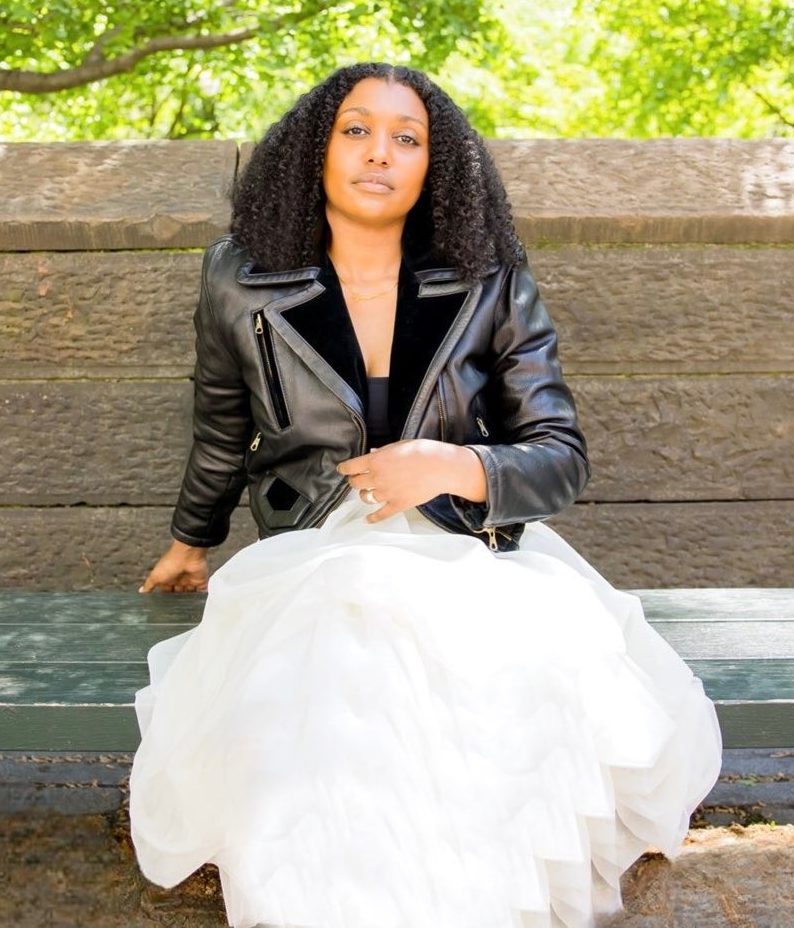
And if the experience is good—if the seller knows their stock, if they’ve curated with vision. I ask questions to BUILD RELATIONSHIPS, NOT JUST A CLOSET. I want to know if they an online shop, a mailing list, and how often they restock new inventory. The relationship doesn’t have to end at the sale. Often, the best pieces come from people who understand what they’re selling and who take the time to learn what you’re looking for. Good sellers are gatekeepers. They know what’s coming in, what’s rare, what’s worth the wait. Building a relationship with them turns a single purchase into a source and a collaborator.
In the end, shopping for vintage luxury isn’t about acquiring more or even relishing in nostalgia (although I often find myself doing the latter). It’s about continuity. About connecting the past to your present and choosing pieces that will carry you into the future. It’s memory, craftsmanship, and history woven together. The process is slow, deliberate, and a little obsessive. But it’s also deeply rewarding. And if you do it right, with each piece, you’re not just building a wardrobe, you’re building a legacy.
 Wearever Jade Went